
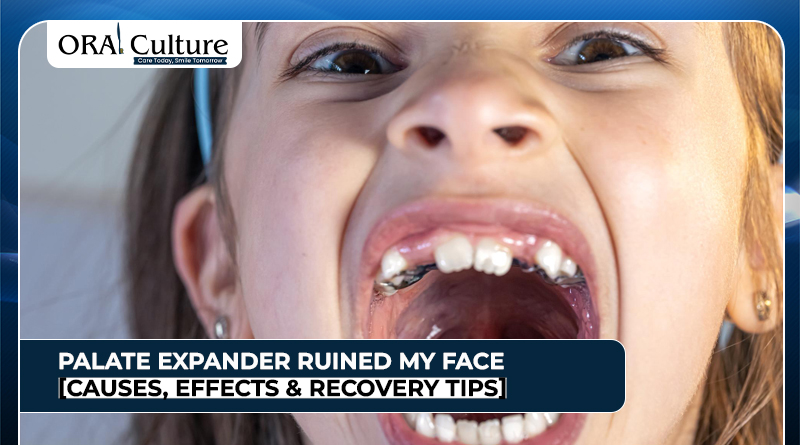

Feeling distressed about facial changes after a palate expander is common and understandable. Facial appearance is closely tied to jaw position, dental arch width, and muscle balance. During expansion, tissues adapt at different speeds, which can temporarily exaggerate changes. Long-term negative facial changes are uncommon when expansion is properly planned and monitored.
A palate expander can temporarily alter facial appearance, but most changes are mild and can be corrected with appropriate orthodontic follow-up. Some individuals notice changes in their facial structure, and this can be concerning.
Orthodontists often recommend it for children, adolescents, or young adults to correct crowding, crossbites, or narrow arches. It slowly widens the upper jaw, creating more space for teeth to align correctly.
While it can improve your bite and smile, the changes can also affect your facial appearance. This does not mean it always “ruins” your face; however, noticeable differences in facial symmetry, cheek shape, or smile line may occur.
How Can Palate Expanders Affect Your Face?
A palate expander is an orthodontic tool designed to increase the width of the upper jaw. It works by exerting gentle, consistent pressure, gradually separating the palatal bones and creating additional space for the teeth. Over time, the jaw widens, giving teeth more room to align correctly.
However, this process also affects surrounding facial structures:
- Cheeks: Widening the upper jaw can make the cheeks appear flatter or more prominent, depending on your bone structure.
- Lips and smile: The change in jaw width can alter your smile or lip shape slightly.
- Jawline: Some people notice that the jawline appears different because the expander alters how the upper and lower jaws meet.
If you experience pain during or after expansion, it’s important to know ways to kill tooth pain in 3 seconds permanently and safely.
Why Some People Feel Their Face Was “Ruined”
Many patients report that their face appears “off” after using a palate expander. This usually happens due to some reasons:
1- Expansion too fast
If the expander is adjusted too quickly, it can push the bones and teeth unevenly.
For example, a 15-year-old patient who turned her expander daily rather than every other day observed that her upper cheeks appeared wider than expected. Slowing down the adjustments corrected most of the changes.
2- Age matters
Adults do have more fused mid-palatal sutures (the joint in the middle of the upper jaw), and their bones are less flexible than children’s.
This means that skeletal expansion (actual bone widening) is more difficult in adults.
In contrast, children and teens have more pliable bones, so expansion usually results in more skeletal change.
3- Individual bone structure
Everyone’s facial bones respond differently. Two patients of the same age who follow the same treatment plan may still exhibit different outcomes. One patient might notice slight widening of the smile, whereas another may observe greater cheek prominence.
4- Skipping follow-up treatment
After using a palate expander, braces or other orthodontic devices are usually needed to align teeth and balance facial appearance. Without follow-up, small facial changes can appear more permanent.
For instance, a 17-year-old who delayed orthodontic treatment for 6 months noticed that her smile line appeared uneven until the braces were applied.
Can a Palate Expander Cause Permanent Facial Changes?
Most people do not experience permanent facial changes from a palate expander. In adolescents, any soft-tissue changes, such as slight widening of the cheeks or nose, are usually temporary and stabilize after braces or retainers.
In adults, expansion is harder because the palatal suture is fused. This can cause subtle soft-tissue shifts and increased dental tipping, but these changes are generally small (under 2 mm) and rarely permanent.
Proper planning with an experienced orthodontist ensures safe and predictable results.
Permanent facial changes are very rare; most changes are mild and temporary.
4 Tips to Minimize Facial Changes
If you are worried about how a palate expander might change your face, here’s what you can do:
1. Follow your orthodontist’s instructions
Don’t turn the expander too fast or skip steps. Doing it slowly, as advised, helps your teeth and jaw move safely.
2. Go to check-ups regularly.
Your orthodontist can see how your teeth and face are changing and fix minor problems before they get bigger.
3. Use braces afterward
Braces help align your teeth and keep your smile balanced after the expander has done its work.
4. Look at other options for adults.
Adult bones are harder to move. In some cases, a surgical method such as SARPE is safer and yields more reliable outcomes.
Take it slow, keep up with visits, and follow your orthodontist’s plan to help your face stay as natural as possible.
When Should You Consult Your Orthodontist?
You should contact your orthodontist if:
- You notice extreme facial asymmetry.
- You feel pain or discomfort in the jaw or palate.
- Changes don’t improve after completing the expansion and braces process.
Early intervention can prevent long-term issues and restore facial harmony.
Final Note!
A palate expander can temporarily change your facial appearance, but it rarely “ruins” your face. Most changes are mild and manageable, and they improve with braces or other orthodontic follow-up treatments. Real client experiences show that with careful planning and professional guidance, your smile and facial balance can remain natural and attractive.
If you are concerned about facial changes or want personalized advice, it’s best to consult a qualified orthodontist. For example, modern techniques such as laser dentistry can make some procedures more comfortable and precise.
People Also Ask
What kind of facial changes can a palate expander cause?
A palate expander can widen the upper jaw, which may subtly alter the shape of your cheeks, lips, or smile. Most of these changes are minor and typically stabilize once braces or retainers are in place.
Will my face look different forever after using a palate expander?
For most individuals, any changes in facial appearance are short-lived. Once orthodontic treatment, such as braces or retainers, is completed, the face usually returns to a natural, balanced appearance.
Are palate expanders safe for adults?
Yes, adults can use palate expanders, but the treatment is slower because adult bones are firmer. Sometimes, surgical options are recommended for predictable results. An experienced orthodontist can guide you safely.
How can I ensure my face remains natural during treatment?
Follow your orthodontist’s instructions carefully, attend all check-ups, and use braces as recommended after the expander. This helps ensure your teeth and face stay aligned and balanced.
How long will it take for me to notice changes in my face?
Most facial changes are noticeable only during treatment and usually stabilize within a few months after orthodontic treatment, such as braces or retainers. Adults may notice subtle changes for a slightly longer period, but these are typically mild.